
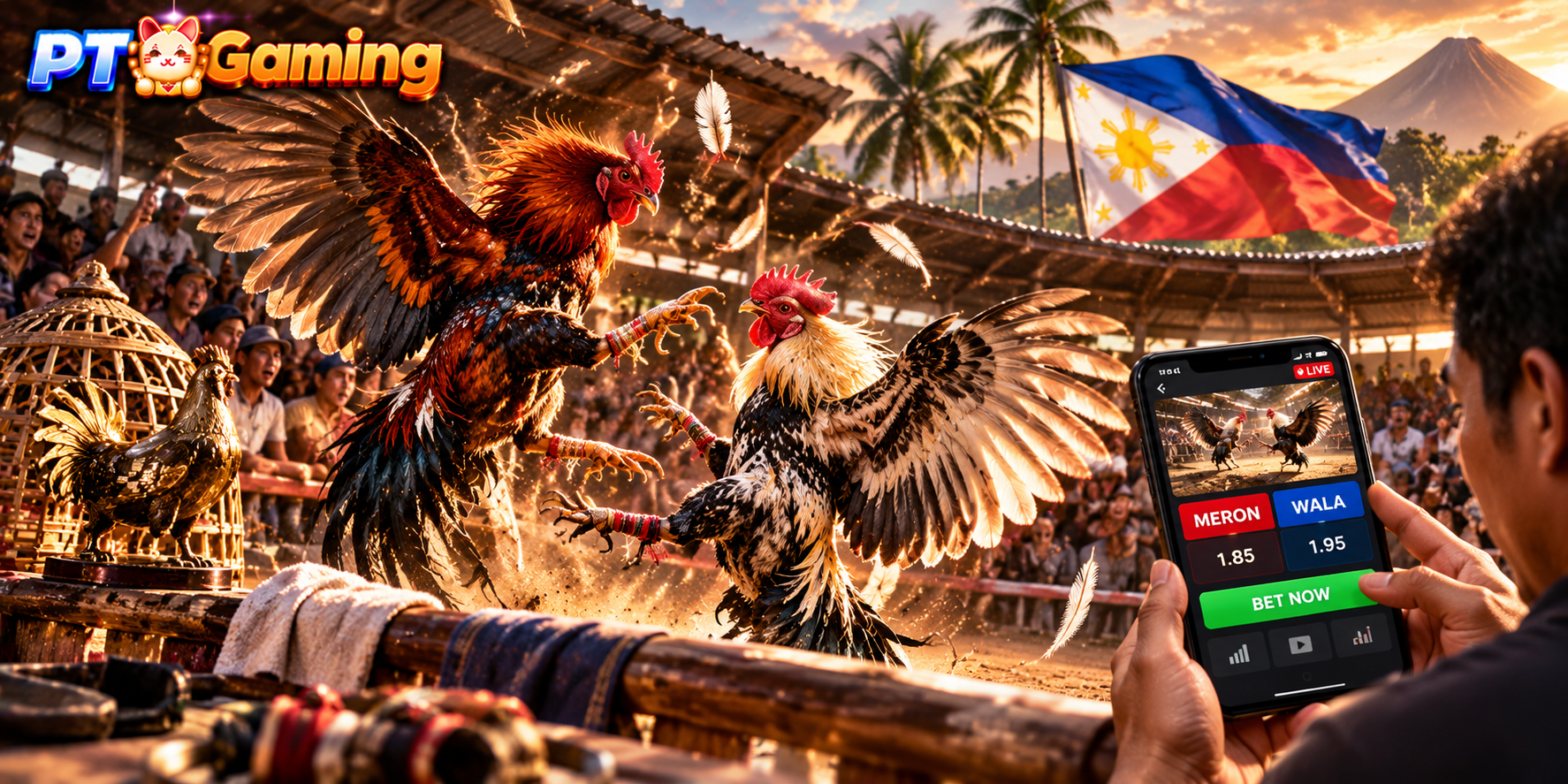
Sabong bet refers to wagering on cockfighting, a traditional activity with deep roots in Filipino culture. Unlike ordinary casino games, sabong involves specially raised fighting roosters, experienced handlers, local traditions, and an audience that follows each match closely.
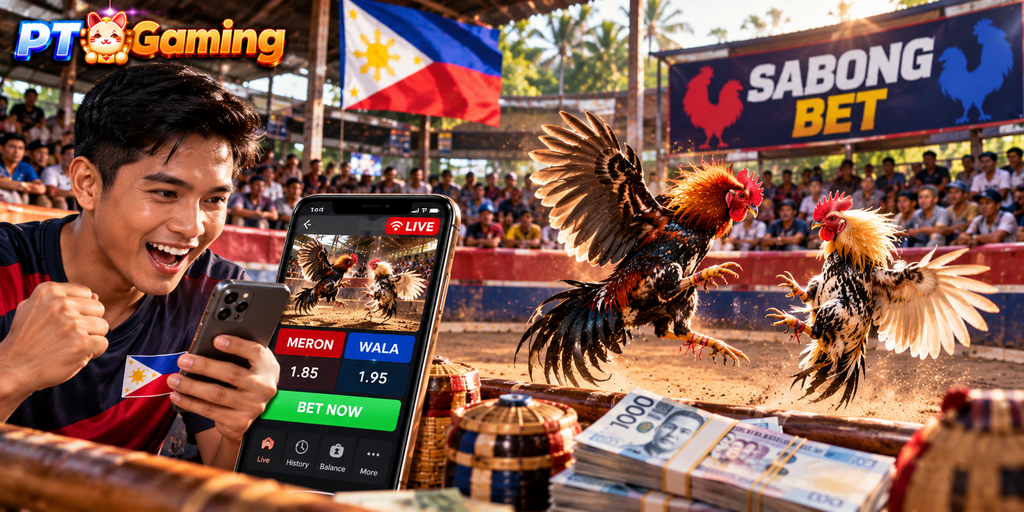
What makes sabong particularly Filipino is not simply the betting. It is the way cockfighting became connected to community gatherings, family traditions, provincial life, and local identity.
What Makes Sabong Different From Other Betting Games?
Sabong stands apart from slots, roulette, and many other gambling activities because it involves live animals rather than computer-generated results.
Several elements make it distinctive:
- Rooster breeding and training: Breeders, known locally as mananabong, may spend considerable time selecting and raising gamefowl.
- Local terminology: Words such as manok (rooster), tari (blade attached to the rooster), meron and wala (traditional betting sides), and sultada (match) are part of sabong culture.
- Community atmosphere: Traditional cockpits, or sabungan, have historically served as gathering places where spectators discuss birds, breeders, and upcoming matches.
- Cultural continuity: Knowledge about raising gamefowl and participating in sabong has often been passed between generations.
These characteristics give sabong a different social meaning from a conventional casino game.
Why Is Sabong Considered a Filipino Cultural Tradition?
Cockfighting existed in the Philippine archipelago before Spanish colonization. Over time, it became associated with local festivities, rural communities, and organized sporting entertainment.
In some provinces, cockfighting events have historically taken place alongside fiestas and other community celebrations.
Sabong also developed its own vocabulary, customs, and social networks. For some participants, breeding gamefowl became a family activity and a source of local prestige.
That history helps explain why sabong remains recognizable in Philippine culture.
However, its cultural significance is debated. Animal welfare advocates oppose cockfighting because the animals can suffer serious injuries or death.
Traditional Sabong vs. Online Sabong Betting
Traditional sabong takes place at a physical cockpit, where spectators watch matches in person.
Online sabong, often called e-sabong, uses digital broadcasts and remote wagering.
The two formats differ significantly.
| Feature | Traditional Sabong | E-Sabong |
|---|---|---|
| Location | Physical cockpit | Online platform |
| Viewing | In-person | Live video |
| Community experience | Face-to-face interaction | Remote participation |
| Betting | Traditional on-site arrangements | Digital transactions |
| Legal considerations | Subject to cockpit licensing and local rules | Subject to separate restrictions and prohibitions |
Importantly, online sabong betting should not be assumed legal simply because traditional cockfighting is permitted in some licensed locations.
What Is the Legal Status of Sabong Betting in the Philippines?
The distinction between traditional sabong and e-sabong is especially important.
Under Presidential Decree No. 449, traditional cockfighting is regulated through licensed cockpits and applicable local rules. The law explicitly recognizes cockfighting’s historical association with Filipino fiestas and customs. Supreme Court E-Library
Online e-sabong remains subject to a nationwide suspension under Executive Order No. 9, issued in December 2022. That order does not suspend traditional cockfights that are otherwise lawfully authorized. A National Bureau of Investigation enforcement action in April 2026 also demonstrates that illegal e-sabong operations continue to be targeted. Supreme Court E-Library+1
Why Sabong Is Uniquely Filipino
Sabong is not exclusive to the Philippines; cockfighting has existed in other countries as well. What makes the Philippine version distinctive is how thoroughly it developed into a local social institution, complete with specialized roles, vocabulary, breeding traditions, and regulated cockpit events.
PAGCOR‘s former e-sabong framework also highlighted its unusual pace: matches are typically brief, with short intervals between fights, unlike scheduled basketball or football events. pagcor.ph
For an international reader, sabong offers a window into a complicated aspect of Filipino heritage. It reflects historical community traditions, but it also raises modern questions about animal welfare, gambling-related harm, and regulation.